

Planning a training camp in Greece gives clubs from abroad three things that are hard to find together: reliable warm weather from March to November, Olympic-standard venues left from Athens 2004, and short flights from almost every European capital. This guide shows how to pick the right month, region and venue for your sport, and what to sort out before you book.
Key takeaways
- The best months for most outdoor sports are March to June and September to November, when daytime highs sit between about 17°C and 27°C.
- Greece has 50m pools, full athletics tracks, grass football pitches and indoor halls in more than 30 towns, many open all year.
- Flights from Northern and Western Europe take roughly 2.5 to 4 hours, so a squad can train on the day it lands.
- A camp is usually priced per athlete and depends on season, hotel category, meal plan and training hours.
- A specialist organiser books the venue time, hotel, transfers, friendlies and excursions as one package.
Why choose a training camp in Greece?
Coaches pick Greece because training can continue outdoors while it is cold and dark at home. In April, Athens and Heraklion average daytime highs of around 20°C, which is warm enough for long sessions without the heat stress of mid-summer. The Hellenic National Meteorological Service publishes long-term climate data for every region if you want to check a specific town.
The second reason is infrastructure. The 2004 Olympic Games left venues such as the Pancretan Stadium in Heraklion and the Panthessaliko Stadium in Volos, and many municipalities have since built 50m pools and indoor halls. Third, Greece is a full holiday destination, so rest days can include a beach, an ancient site or a team dinner by the sea.
Best time of year for a training camp in Greece
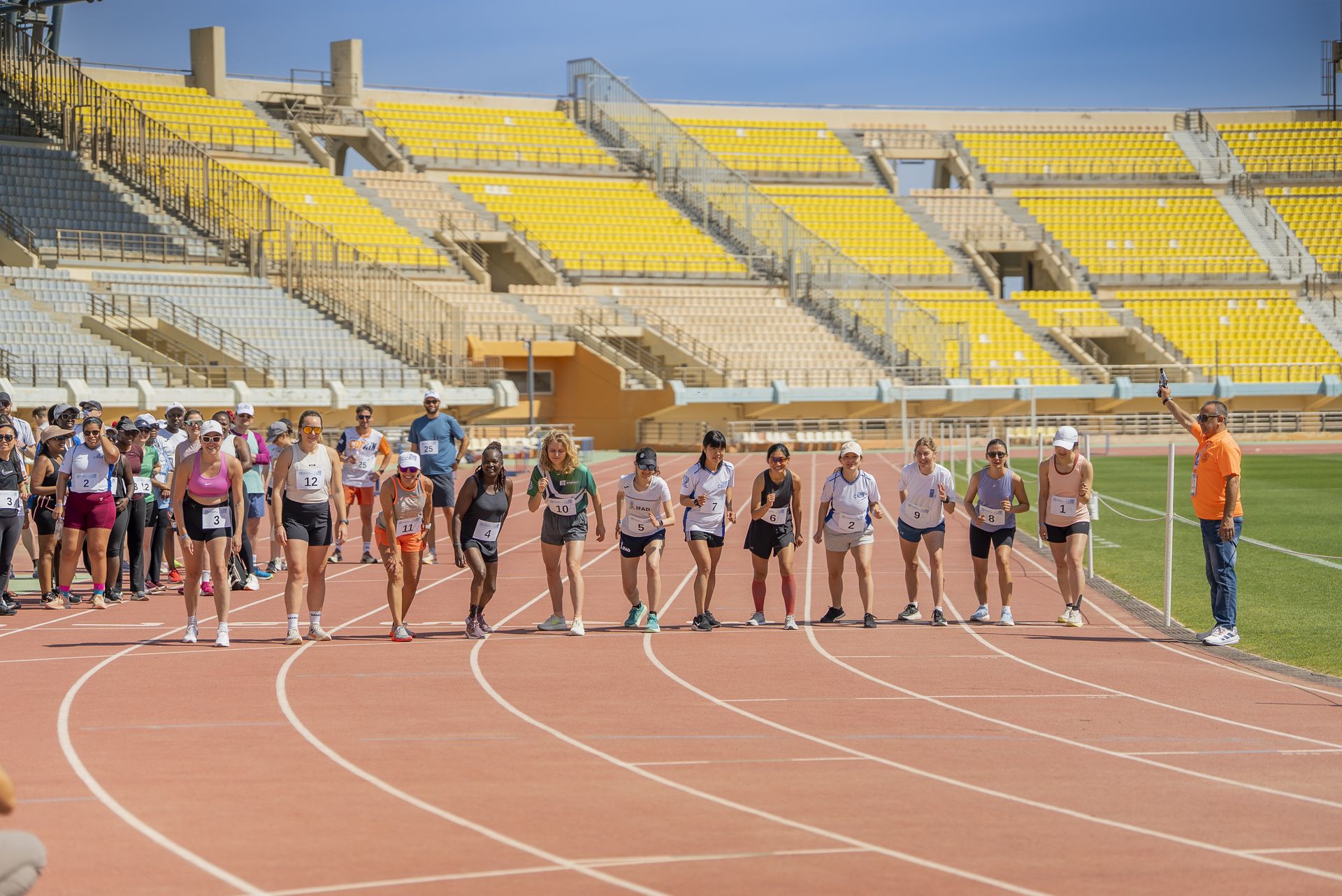
The calendar matters more than the destination. Spring is the busiest period for European clubs, because it fits pre-competition blocks for swimming and athletics and the Easter school holidays. Autumn is quieter, cheaper and still warm, especially in Crete and the Peloponnese.
| Period | Typical daytime high (Athens) | Best for | Notes |
|---|---|---|---|
| March | about 17°C | Athletics, football, cycling | Quiet venues, cooler mornings |
| April – May | about 20–25°C | All outdoor sports | Peak demand around Easter, book early |
| June | about 30°C | Swimming, beach sports | Train early morning and late afternoon |
| July – August | 32°C and above | Indoor sports, youth summer camps | Heat limits outdoor training at midday |
| September – October | about 24–29°C | Football pre-season, swimming, tennis | Warm sea, good value |
| November | about 19°C | Football, athletics in the south | Crete and Kalamata stay mild |
Northern Greece (Thessaloniki, Litochoro, Kavala) runs a few degrees cooler than Athens and Crete, which helps in June and September.
Where to train: venues by sport
Each sport has a natural home in Greece. The table below summarises the destinations GreeceontheGo works with; every name links to the camp page with facilities and availability.
| Sport | Main destinations | Key facilities | Availability |
|---|---|---|---|
| Football | Athens, Thessaloniki, Kalamata, Heraklion, Pelion | Natural grass pitches, friendlies vs Greek clubs | Most all year |
| Swimming | Kavala, Kalamata, Chania, Glyfada, Hersonissos | 50m pools, indoor and outdoor | Indoor pools all year |
| Athletics | Thessaloniki, Volos, Kalamata, Heraklion | Full 400m tracks, throws areas | All year / Mar–Oct |
| Basketball | Heraklion, Karpenisi, Metsovo, Volos | Indoor halls | All year |
| Volleyball | Syros, Chios, Corinthos | Indoor halls | Mostly summer |
| Tennis | Crete, Chios, Evia | Clay and hard courts | All year |
| Cricket | Corfu | Central cricket ground in Corfu Town | Apr–Jun, Sep–Oct |
For a full list, see our sports training camps in Greece page.
How to plan your camp, step by step
Most camps are booked three to six months ahead. Spring dates around Easter can fill a year in advance at the most popular pools and tracks.
- Set the training goal. Decide whether the camp is for volume, competition preparation or team bonding. This decides how many sessions per day you need.
- Fix dates and group size. Count athletes, coaches, physios and any parents. Room types and coach size depend on this number.
- Choose the venue for the sport, then the hotel. Training time is the scarce resource; hotels near good venues are easier to find.
- Agree training slots in writing. Ask for exact lanes, pitch hours or court times per day.
- Add friendlies and rest-day activities. Matches against local academies, a day at Ancient Olympia or a boat trip all build team spirit.
- Check travel documents and insurance for every athlete, especially minors and non-EU passport holders.

What does a training camp in Greece cost?
Camps are normally quoted per person for a fixed number of nights. The main cost drivers are the season (Easter and October half-term are peak), the hotel category, full board versus half board, the number of training hours and the transport needed between hotel and venue. Island venues add ferry or flight costs. The fastest way to compare is to request two options, for example a 3-star city hotel next to the venue and a 4-star resort with a transfer.
Get a tailored training camp proposal
Tell us your sport, dates and group size and our sports team will send you venue options with training slots and a per-person price.
Travel and logistics
Greece is in the Schengen area, so EU teams travel on ID cards. Non-EU visitors should check the European Commission’s visa rules and the national travel advice of their own government, for example the UK Foreign Office advice for Greece. Main entry airports are Athens, Thessaloniki, Heraklion and Chania, with direct flights from most European hubs. Transfers by private coach are part of every GreeceontheGo camp.
Why work with a specialist organiser
Booking venues directly with Greek municipalities can be slow, and many facilities publish timetables only in Greek. A local organiser holds relationships with pool and stadium managers, arranges friendlies, and has a person on the ground if a session needs to move. GreeceontheGo is part of Business Travel Group, which has more than 35 years in Greek travel, and runs camps for clubs, schools and federations from across Europe.
Frequently asked questions
When is the best time for a training camp in Greece?
For outdoor sports, March to June and September to November give warm but not extreme temperatures. Indoor sports such as basketball and volleyball can train all year, and summer suits youth camps.
How far in advance should we book?
Three to six months is typical. For Easter weeks and popular 50m pools, book up to a year ahead.
Can we play friendly matches against Greek teams?
Yes. Friendlies against Greek academies and clubs can be arranged in football, basketball, volleyball and cricket, subject to the local season.
Is Greece suitable for youth and school teams?
Yes. Many venues are used by school groups, and organisers can provide 24/7 support, safe transfers and supervised activities. School groups also enjoy multi-activity options such as our Active Camp by the Sea in Halkidiki.
Do you organise camps outside Greece?
Yes. GreeceontheGo also arranges swimming camps in Europe, including Spain, Italy, Portugal and Cyprus.